Quanzhou: Emporium of the World in Song-Yuan China
Quanzhou, located in Fujian Province, was historically one of the most important maritime trading ports during the Song and Yuan dynasties. Known as the “Emporium of the World,” this city was a vibrant hub where cultures, goods, and ideas from across Asia and beyond converged. Today, Quanzhou offers travelers a unique glimpse into its rich trading history, cultural diversity, and architectural heritage.
Highlights
- Maritime Silk Road Museum: This museum showcases Quanzhou’s role in the ancient Maritime Silk Road, featuring artifacts, ship models, and exhibits that tell the story of international trade and cultural exchange.
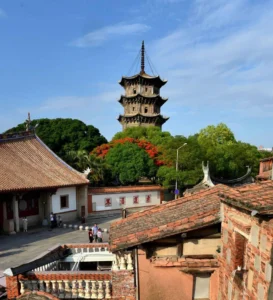
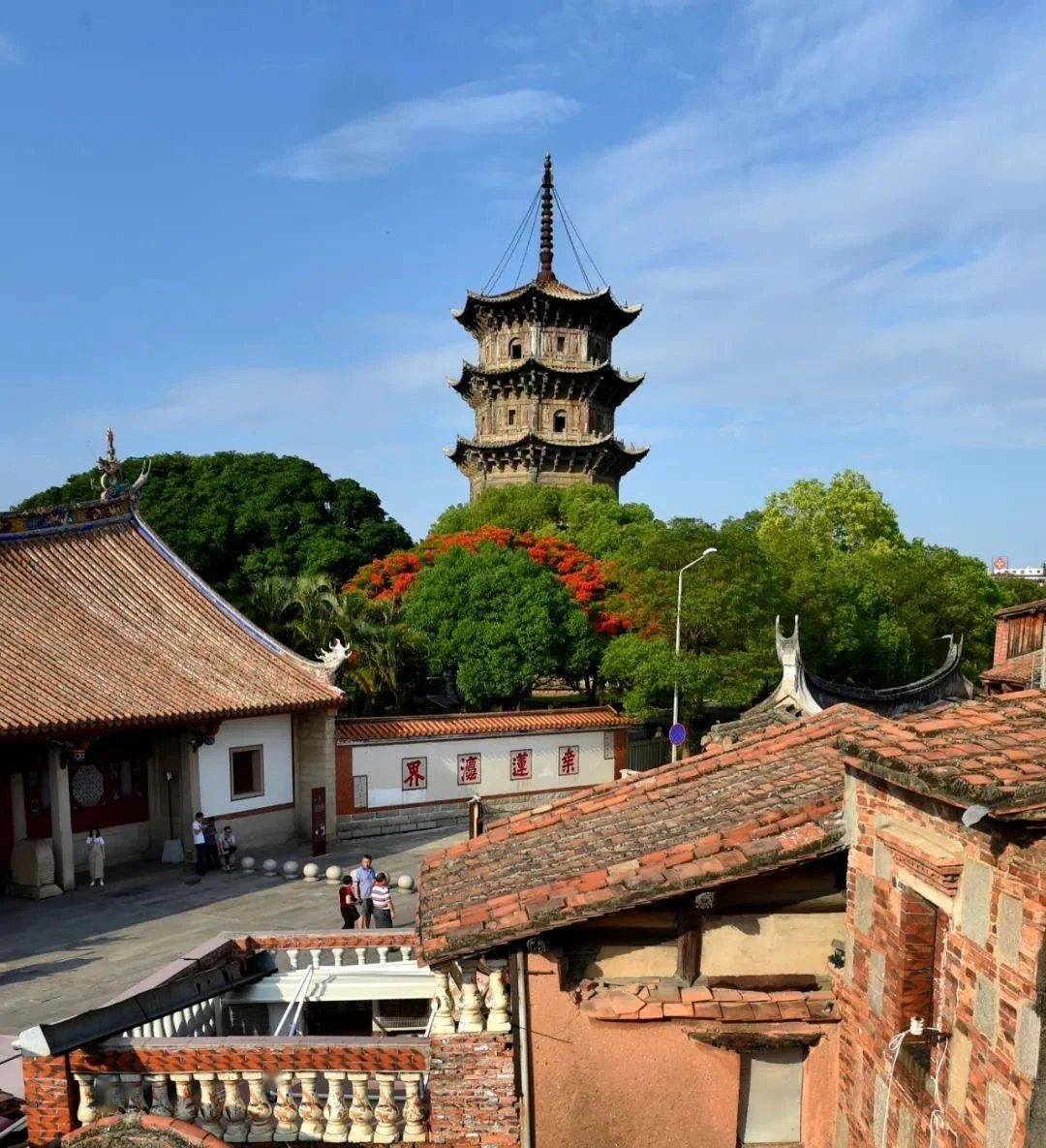
- Kaiyuan Temple: One of the largest and oldest Buddhist temples in Fujian, Kaiyuan Temple is a testament to the city’s religious and cultural diversity during the Song-Yuan period. Its intricate stone carvings and ancient pagodas are must-see.
- Qingjing Mosque: Built in the 11th century, this mosque reflects the multicultural fabric of Quanzhou, where Muslim traders once thrived. The mosque’s architecture blends traditional Chinese and Islamic styles.
- Ancient City Walls and Gates: Walk along the remnants of Quanzhou’s old city walls and gates to experience the city’s historical defense system and urban layout.
Practical Tips
- Best Time to Visit: Spring (March to May) and Autumn (September to November) offer pleasant weather for sightseeing.
- Getting There: Quanzhou is accessible via high-speed train and has an airport with connections to major Chinese cities.
- Local Cuisine: Don’t miss Fujianese specialties such as oyster omelets, seafood congee, and Buddhist vegetarian dishes.
- Language: Mandarin is widely spoken, but local dialects are common; having a translation app can be helpful.
Cultural Significance
Quanzhou’s historical role as a global trading center during the Song and Yuan dynasties made it a melting pot of cultures, religions, and ethnicities. It was a key node on the Maritime Silk Road, facilitating exchange between China and regions as far as the Middle East, Africa, and Southeast Asia. The city’s diverse architecture, including Buddhist temples, mosques, and churches, reflects this multicultural heritage. Visiting Quanzhou is not only a journey through ancient trade routes but also an exploration of the cultural interactions that shaped modern China’s openness and diversity.